


Dry carbon Fiber hoods


actually if the dry carbon is done properly it will be lighter....even some wet type carbon hoods and trunks are lighter than stock (ie Monster Sport for one example)
nemesis - PM'd you on the C West
nemesis - PM'd you on the C West


Evolved Member
iTrader: (3)
Joined: Apr 2003
Posts: 1,907
Likes: 0
From: dublin, oxford, chillicothe OH
yes the hood on the sparco evo is crazy light. like a feather.
The suby banner is there because the shop specializes in Evo' sand Sti's
Some of the cars that come through there
My 350+whp evo, another 400+whp evo, 500+whp Sti, 425+ whp Sti, the vivid evo, sparco evo, and a lot more lesser power evo's.
The suby banner is there because the shop specializes in Evo' sand Sti's
Some of the cars that come through there
My 350+whp evo, another 400+whp evo, 500+whp Sti, 425+ whp Sti, the vivid evo, sparco evo, and a lot more lesser power evo's.
if the dry CF is done up right, it wont be as light as the non supported wet type CF hood.
One of the advantages of having the dry CF manufacturing process is that it will be about 5 to 10 times stronger than the wet type process and it wont need the fiberglass support, because the integration of the CF will be just like the metal.
The new dry type process that BMW uses is the prime example of how it could be used on a mass manufactured vehicles, just like how they did McLaren F1, but less labour intensive.
The CSL has the CFRP(CF reinforced plastic), which is just about the lightest and strongest panel material out there now. They have that for their roof.
And I don't know how you Not properly do the Dry CF process?
Some of the wet type CF hood like seibon are lighter than the stock, but that doesn't mean it's stronger and has the shock absorbing crash impact zone like the stock ones, since their fiberglass structure is weaker than a piece of cardboard box.
So you're basically risking your life for something that might not even give you that much advantage in performance.
Unless you're going for that look, the best way is rollcage and straight wet type CF hood that has no Fiberglass under support. Straight Wet type without the fiberglass support underneath are super light.
One of the advantages of having the dry CF manufacturing process is that it will be about 5 to 10 times stronger than the wet type process and it wont need the fiberglass support, because the integration of the CF will be just like the metal.
The new dry type process that BMW uses is the prime example of how it could be used on a mass manufactured vehicles, just like how they did McLaren F1, but less labour intensive.
The CSL has the CFRP(CF reinforced plastic), which is just about the lightest and strongest panel material out there now. They have that for their roof.
And I don't know how you Not properly do the Dry CF process?
Some of the wet type CF hood like seibon are lighter than the stock, but that doesn't mean it's stronger and has the shock absorbing crash impact zone like the stock ones, since their fiberglass structure is weaker than a piece of cardboard box.
So you're basically risking your life for something that might not even give you that much advantage in performance.
Unless you're going for that look, the best way is rollcage and straight wet type CF hood that has no Fiberglass under support. Straight Wet type without the fiberglass support underneath are super light.

I have never seen such a piece...every wet type I know of has a fiberglass skeleton - some are shown, some are glassed over. Can't say if thats the case for other cars, but I dont know of any for an Evo
last I checked, Seibon hood was not lighter than stock...about the same or a tad heavier
last I checked, Seibon hood was not lighter than stock...about the same or a tad heavier

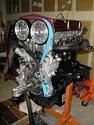
As part of my aviation maintenance classes, I had to take a semester of composite repair techniques. We mad a lay-up of a simple mold using the pre-preg carbon fiber that comes in rolls. Let me tell you. That process of vaccum bagging and baking isnt that easy if you dont have the right machines. We had what they called a "hot-bonder" This briefcase sized box that supplied the vaccum, and the electrical sourse for the heat blankets that went under the entire mold. It also monitered the temp of the mold, the vaccum pressure and kept it all steady over the entire curing process.
The hardest part was getting the vacuum bag tight around the edges with all the hoses and leads coming out of the project. We only made a 6"x6" peice and that took two days.
I would love to see the manufaturing process for these hoods and what the molds look like.
The hardest part was getting the vacuum bag tight around the edges with all the hoses and leads coming out of the project. We only made a 6"x6" peice and that took two days.
I would love to see the manufaturing process for these hoods and what the molds look like.


Here's are a couple of pics I snapped at SEMA '04 …


