


Mivec advantage?


Mivec advantage?
Today I had a couple extra minutes to do a comparison on a Evo 10. I don't think I have seen anyone post the differences that can be had between the 100% factory Mivec maps and some "tuned" Mivec maps.
So after tuning this stock Evo 10 I threw the factory Mivec maps back in and did a couple pulls.
Disclaimer: This is not an exhaustive test. I just had some free time to do a very quick comparison. I actually am planning on showing a more exhaustive test on the mivec maps here very soon. Stay tuned for that.
Dotted lines are with tuned intake and exhaust Mivec maps. Solid lines are with 100% factory tuned intake and exhaust Mivec maps.
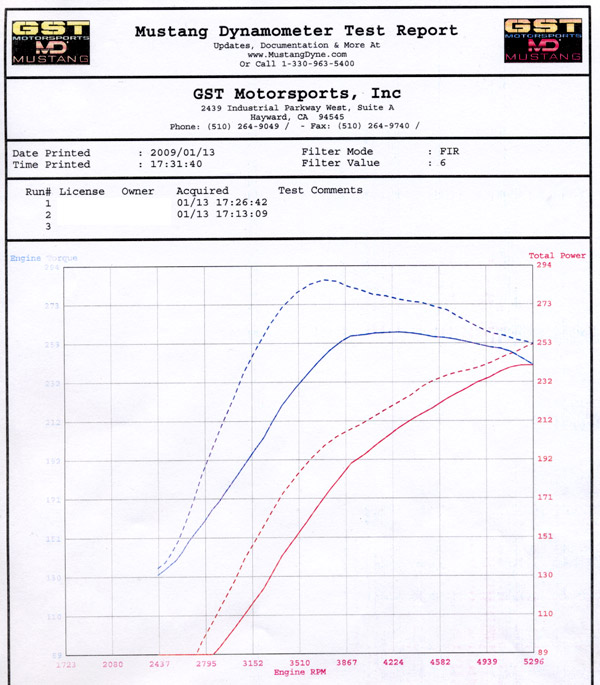
I'm only showing up to around 5400 rpm as I have yet (so far at least. ) to see very large gains in mivec tuning up top on a stock 10. Let's just look at the curves from the low to the midrange for now.
At 3000-3500 rpm, there is a 45wtq gain with the tuned mivec maps. At 3900, approx 30+ wtq gains. Other than that large torque increase there are huge gains in the way the torque comes in and carries over through the midrange.
This map I am working on actually has some more room in it from 4000-5500rpm as well. I plan in tweaking it a bit more before I post a more "exhaustive" look at Mivec tuning and it's benefits.
So after tuning this stock Evo 10 I threw the factory Mivec maps back in and did a couple pulls.
Disclaimer: This is not an exhaustive test. I just had some free time to do a very quick comparison. I actually am planning on showing a more exhaustive test on the mivec maps here very soon. Stay tuned for that.
Dotted lines are with tuned intake and exhaust Mivec maps. Solid lines are with 100% factory tuned intake and exhaust Mivec maps.
I'm only showing up to around 5400 rpm as I have yet (so far at least.
) to see very large gains in mivec tuning up top on a stock 10. Let's just look at the curves from the low to the midrange for now. At 3000-3500 rpm, there is a 45wtq gain with the tuned mivec maps. At 3900, approx 30+ wtq gains. Other than that large torque increase there are huge gains in the way the torque comes in and carries over through the midrange.
This map I am working on actually has some more room in it from 4000-5500rpm as well. I plan in tweaking it a bit more before I post a more "exhaustive" look at Mivec tuning and it's benefits.
Last edited by GST Motorsports; Jan 13, 2009 at 09:39 PM.


Florida has different air down there than you guys, but that's been pointed out already by weather posts. Last I heard there was not much to be gained by tuning MIVEC down there.
So this isn't really a fair comparison.
So this isn't really a fair comparison.
Last edited by tkklemann; Jan 14, 2009 at 04:53 AM.

Today I had a couple extra minutes to do a comparison on a Evo 10. I don't think I have seen anyone post the differences that can be had between the 100% factory Mivec maps and some "tuned" Mivec maps.
So after tuning this stock Evo 10 I threw the factory Mivec maps back in and did a couple pulls.
Disclaimer: This is not an exhaustive test. I just had some free time to do a very quick comparison. I actually am planning on showing a more exhaustive test on the mivec maps here very soon. Stay tuned for that.
Dotted lines are with tuned intake and exhaust Mivec maps. Solid lines are with 100% factory tuned intake and exhaust Mivec maps.
I'm only showing up to around 5400 rpm as I have yet (so far at least. ) to see very large gains in mivec tuning up top on a stock 10. Let's just look at the curves from the low to the midrange for now.
At 3000-3500 rpm, there is a 45wtq gain with the tuned mivec maps. At 3900, approx 30+ wtq gains. Other than that large torque increase there are huge gains in the way the torque comes in and carries over through the midrange.
This map I am working on actually has some more room in it from 4000-5500rpm as well. I plan in tweaking it a bit more before I post a more "exhaustive" look at Mivec tuning and it's benefits.
So after tuning this stock Evo 10 I threw the factory Mivec maps back in and did a couple pulls.
Disclaimer: This is not an exhaustive test. I just had some free time to do a very quick comparison. I actually am planning on showing a more exhaustive test on the mivec maps here very soon. Stay tuned for that.
Dotted lines are with tuned intake and exhaust Mivec maps. Solid lines are with 100% factory tuned intake and exhaust Mivec maps.
I'm only showing up to around 5400 rpm as I have yet (so far at least.
) to see very large gains in mivec tuning up top on a stock 10. Let's just look at the curves from the low to the midrange for now. At 3000-3500 rpm, there is a 45wtq gain with the tuned mivec maps. At 3900, approx 30+ wtq gains. Other than that large torque increase there are huge gains in the way the torque comes in and carries over through the midrange.
This map I am working on actually has some more room in it from 4000-5500rpm as well. I plan in tweaking it a bit more before I post a more "exhaustive" look at Mivec tuning and it's benefits.

waiting for you to help me in the right direction !


Trending Topics


Evolved Member
Joined: Oct 2007
Posts: 1,849
Likes: 1
From: USA
No, it can't. I read the comment that scott made, and it was pretty clear. There were sections of the "custom load cell" that when tuned, could indirectly affect a small rpm range of the mivec tables, but never full control. Let's just say, hypothetically, that it could control the entire rpm range of mivec tables (which again, it can't). The factory mivec tables are junk and use static settings for huge portions of the rpm range in many load cells. Even by tricking the ecu into running a lower load cell's mivec mapping, the benefits will be minor. Without being able to alter it at the source (the best way) or even intercept it and manipulate it directly, the benefits of what mivec can really do will never be achieved. In any case, when I made my first post, I was just joking around. As you would say, "take it with a grain of salt." Back on topic.
Last edited by STi2EvoX; Jan 14, 2009 at 08:36 AM.


