When you click on links to various merchants on this site and make a purchase, this can result in this site earning a commission. Affiliate programs and affiliations include, but are not limited to, the eBay Partner Network.
Trying to come up with a complete list of solutions. Got a BBK 3B, TScomp's old 2.4 motor and pretty high oil pressure. Also lose about a quart of oil every 500 miles. Kinda tired of the smell. No leaks, no smoke (I saw a bit once boosting when cold) and hardly anything at the bottom of the intake.
✔ Kiggly HLA
✔ Valve Cover Fitting
⚪ 5w50?
⚪ some restrictor?
⚪ that Turbosmart regulator?
an R35 GTR?
Have you already done compression/leak down test on that motor? i thought TScomp motors were well built and didn't burn any oil.
Trying to come up with a complete list of solutions. Got a BBK 3B, TScomp's old 2.4 motor and pretty high oil pressure. Also lose about a quart of oil every 500 miles. Kinda tired of the smell. No leaks, no smoke (I saw a bit once boosting when cold) and hardly anything at the bottom of the intake.
✔ Kiggly HLA
✔ Valve Cover Fitting
⚪ 5w50?
⚪ some restrictor?
⚪ that Turbosmart regulator?
Have you already done compression/leak down test on that motor? i thought TScomp motors were well built and didn't burn any oil.
120/105/120/120 using my old head that was also low on #2, I doubt the shop refreshed it before putting it back on. The numbers don't change w/ oil, the consumption is probably a mix of things like valve guides + turbo + something
Originally Posted by letsgetthisdone
You need to measure how much oil pressure the turbo is getting.
However, using 1qt every 500 miles is a lot more than just turbo leakage.
Yeah worth a look. It's 1qt between 500 and 1000 miles, depends on the road/highway/driving style/mystery variable. It improved a lot for a few months, and then started again, I'm clueless.
Originally Posted by Dexter Turner
what's you're pcv/breather set up like?
Um stock PCV side into Radium Catch Can into intake manifold, enlarged -10 driver side open to atmosphere, not routed back to intake
I want to share with you guys my solution, and I am very convinced and quite shocked, that this fixed my CC pressure issues... and even got some power back. This involves 2 $18 oil separators, a couple of Y & T fittings and one or 2 check valves. all my hoses are zipped tied in place when I tried this POC and I havent visited it again after 4 events because it just works great! My intake hose used to have a pool of oil, god knows where the rest of the oil I lost went. i had to put a fitting under the intake hose to drain it into a container. Now, this container catches clear water! My intake tract is dry, my optional glass oil separator is dry, my downpipe is dry and has only thin light colored 'soot'.
I wanted a maintenance free solution so it has to return oil to the oil pan. The oil separators are small enough that you'll get enough vertical clearance to drain back to the dipstick port. OK I know there are folks who do not like the drain back because of "undesirables" going back into the oil pan - I think these people may be confused because of the oil-water mixture they saw in their catch cans. THIS NOT a catch can solution. theres only a tiny space where the oil separates from the air and there is still airflow there unlike 'baffled' or catch solutions that may cool and trap H20. There is no liquid-water in operating temps - its just air with H20 in gas form - so it will flow where the air flows. The only time H20 shows itself as liquid-water is when it cools down and accumulates - like in your exhausts pipe, intake hose and also in your big spacious catch cans. it also helps that before the engine is shut off, to apply vacuum to all areas where the evaporated H20 may exist, just like your crankcase, & valve covers air spaces, the air space from hoses, catch cans, oil separators need to be sucked dry.
The ports are unmodified + the aftermarket dipstick tube. 12mm silicon hoses.
I'm planning to change the 'reducer' into a check valve and also upgrade the original check valve on the IM ... I need to blow real hard to get it to open... l"m thinking a faster acting valve would be better for removing blow-by in between shifts
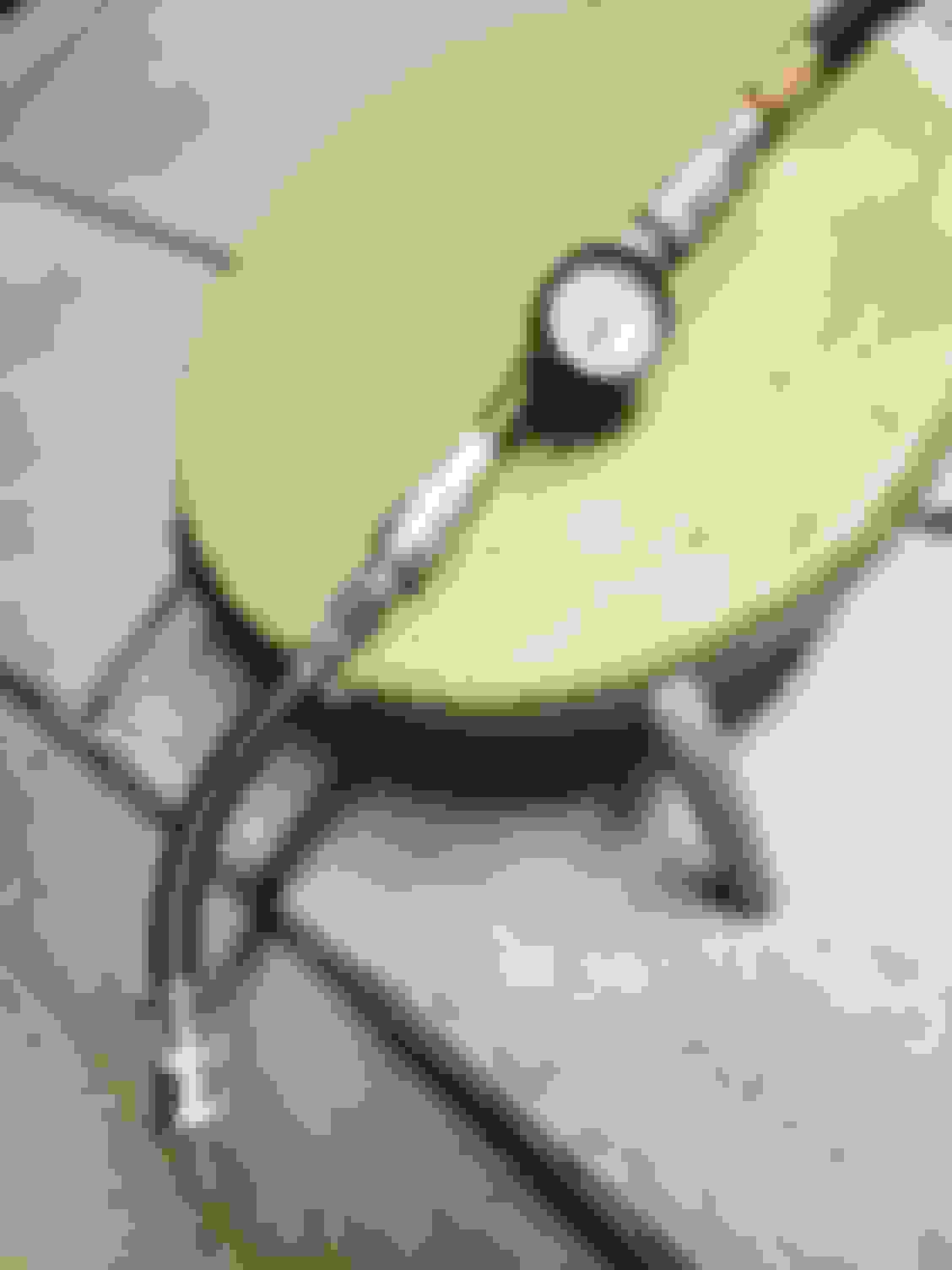
If someone would create and sell a similar system but with better mounting then I'd definitely recommend that. mine doesnt look too bad since its all black but I hanged the oil separators on brake hard lines for now
I hope this helps
Last edited by ViciousLSD; Jul 1, 2019 at 08:10 PM.
I want to share with you guys my solution, and I am very convinced and quite shocked, that this fixed my CC pressure issues... and even got some power back. This involves 2 $18 oil separators, a couple of Y & T fittings and one or 2 check valves. all my hoses are zipped tied in place when I tried this POC and I havent visited it again after 4 events because it just works great! My intake hose used to have a pool of oil, god knows where the rest of the oil I lost went. i had to put a fitting under the intake hose to drain it into a container. Now, this container catches clear water! My intake tract is dry, my optional glass oil separator is dry, my downpipe is dry and has only thin light colored 'soot'.
I wanted a maintenance free solution so it has to return oil to the oil pan. The oil separators are small enough that you'll get enough vertical clearance to drain back to the dipstick port. OK I know there are folks who do not like the drain back because of "undesirables" going back into the oil pan - I think these people may be confused because of the oil-water mixture they saw in their catch cans. THIS NOT a catch can solution. theres only a tiny space where the oil separates from the air and there is still airflow there unlike 'baffled' or catch solutions that may cool and trap H20. There is no liquid-water in operating temps - its just air with H20 in gas form - so it will flow where the air flows. The only time H20 shows itself as liquid-water is when it cools down and accumulates - like in your exhausts pipe, intake hose and also in your big spacious catch cans. it also helps that before the engine is shut off, to apply vacuum to all areas where the evaporated H20 may exist, just like your crankcase, & valve covers air spaces, the air space from hoses, catch cans, oil separators need to be sucked dry.
The ports are unmodified + the aftermarket dipstick tube. 12mm silicon hoses.
I'm planning to change the 'reducer' into a check valve and also upgrade the original check valve on the IM ... I need to blow real hard to get it to open... l"m thinking a faster acting valve would be better for removing blow-by in between shifts
If someone would create and sell a similar system but with better mounting then I'd definitely recommend that. mine doesnt look too bad since its all black but I hanged the oil separators on brake hard lines for now
I hope this helps
I really like this, I'm gonna try your setup. Do you have any crankcase pressure sensors in place? I'm really curious what kind of pressure reduction you're seeing with that setup.
Btw those check valves are awful. I've had terrible luck with them, they all fail after like 10-15 psi and I've tested several different manufacturers now. The only check valve I've found that can stand up to higher pressures is the US plastics Kynar valve. https://www.usplastic.com/catalog/it...3369&catid=489
I've been running the Kynars with Kevlar diaphragms with no issue and they held 120psi of shop air no problem. 0.5 psi cracking pressure and very cheap.
I really like this, I'm gonna try your setup. Do you have any crankcase pressure sensors in place? I'm really curious what kind of pressure reduction you're seeing with that setup.
Btw those check valves are awful. I've had terrible luck with them, they all fail after like 10-15 psi and I've tested several different manufacturers now. The only check valve I've found that can stand up to higher pressures is the US plastics Kynar valve. https://www.usplastic.com/catalog/it...3369&catid=489
I've been running the Kynars with Kevlar diaphragms with no issue and they held 120psi of shop air no problem. 0.5 psi cracking pressure and very cheap.
Thanks for the info. those check valves look like the ones i see on Audis. I do need higher flowing ones. these aluminum check valves work for oil and coolant tho. They do not see much pressure. I do have a few more so I can do a test, let's see if they break. if they do, i'll just double down on the stock pcv area.
No I dont have sensors. I think I can use an old tire pressure gauge with 'memory' to get some idea. I'm on my 2nd 71hta, definitely blew the seals on the first. I have the oil pressure regulator which helps. I practically have 3x more vent ports but since one is from the dipstick I'm getting more oil mist as well. I just want the air out and the oil in. I was getting too much burnt oil smell and oil in the intake tract so I had to address that.
I may be able to get pics when my transmission work is done from the shop. BTW Make sure your hoses dont have 'valley' to ensure all areas are evac'd
I had one and it disintegrated and pressurized my crank case and made a mess.
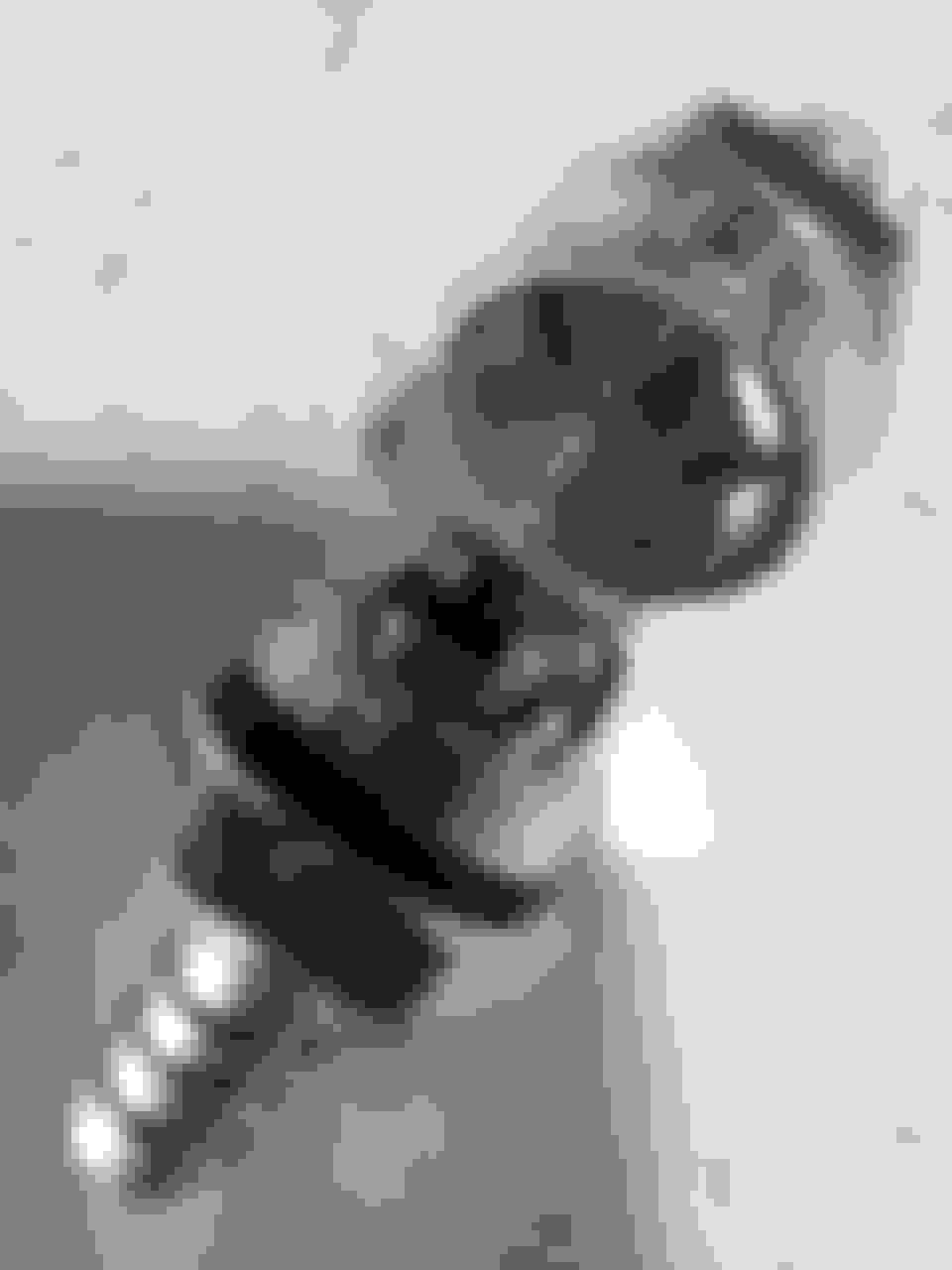
Check valve missing:
The "valve" is this crap little rubber flap:
Wow thanks. I'm currently only using it for the intake hose tho - low temp low pressure & not boost/vac pressures. I'll see if I can replace the flap piece or just make one from a free flowing breather valve
OK fixed. I used a part of the (black) plastic rivet and it fully seals once i added the rubber piece using Ultra Gray RTV
Do not try this with a silicon hose or spring clamps. my 12mm silicone hose blew out at 80psi FYI.
I left it with 125psi for 10mins
This is just for the intake hose side, which only sees low pressure & low temps. I still have to figure out something for the PCV on the IM
Thanks again, Bryan.
Last edited by ViciousLSD; Jul 1, 2019 at 08:02 PM.
I had one and it disintegrated and pressurized my crank case and made a mess.
Check valve missing:
The "valve" is this crap little rubber flap:
Oh wow that's identical to the failure I had when I pressurized mine with shop air. The valve shot into the abyss. Yeah I wouldn't trust those valves for anything exceeding 10 psi.
Here is what's inside of the 10mm version. This was in my NA car's brake booster.
similar to the 12mm one, not for boosted applications.
I have decided to keep the unmodified 12mm check valve in my vent to intake. these open up with the slightest airflow which I believe could be essential for CC venting and could be whats making this setup work. I will try add the same check valve on the stock vent line and see if I can read below atmospheric pressure in my CC
I have read some of this and do not feel like reading it all so. Can someone please let me know with what people do with this part The black tube out of the intake manifold?